
Past is History
Within the disciplinary knowledge below, the motivations and consequences that have defined an individual's legacy are revealed and the complexity of leadership within historical contexts has supported our pupils’ substantive knowledge of a significant turning point of a period in history. This element of learning, has encouraged pupils to explore the historical significance of this person and their enduring capacity to inspire subsequent generations, redefining the course of human progress within an inclusive society.
Chronological Kids - EYFS
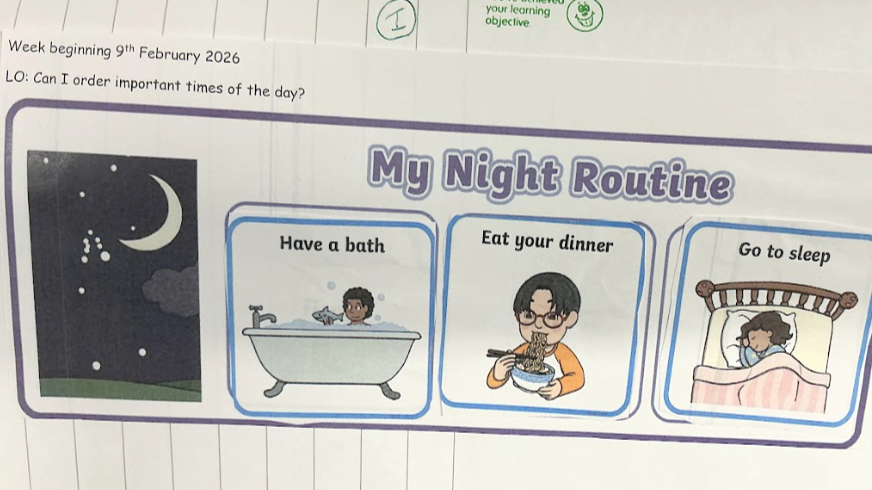
In EYFS, the historical focus has been on developing a foundational sense of chronology. By exploring their own daily routines, such as morning and bedtime rituals, pupils have begun to sequence events and understand the passage of time. There is a strong emphasis on oracy, encouraging children to accurately use vocabulary including past, present, today, and tomorrow.
London Streets Heating Up - KS1
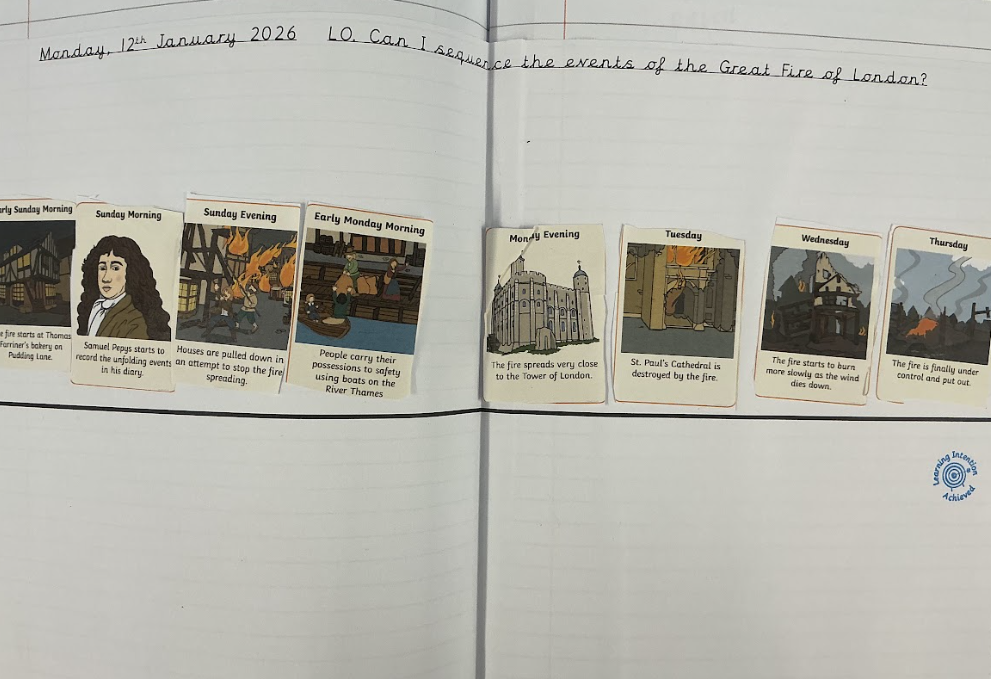
Building on Year 1 skills, Year 2 students further developed their chronological awareness through the study of the Great Fire of London. After practicing with personal and recent historical timelines, pupils successfully researched and sequenced the key moments of 1666 to understand the fire's progression and impact.
This is Sparta - LKS2
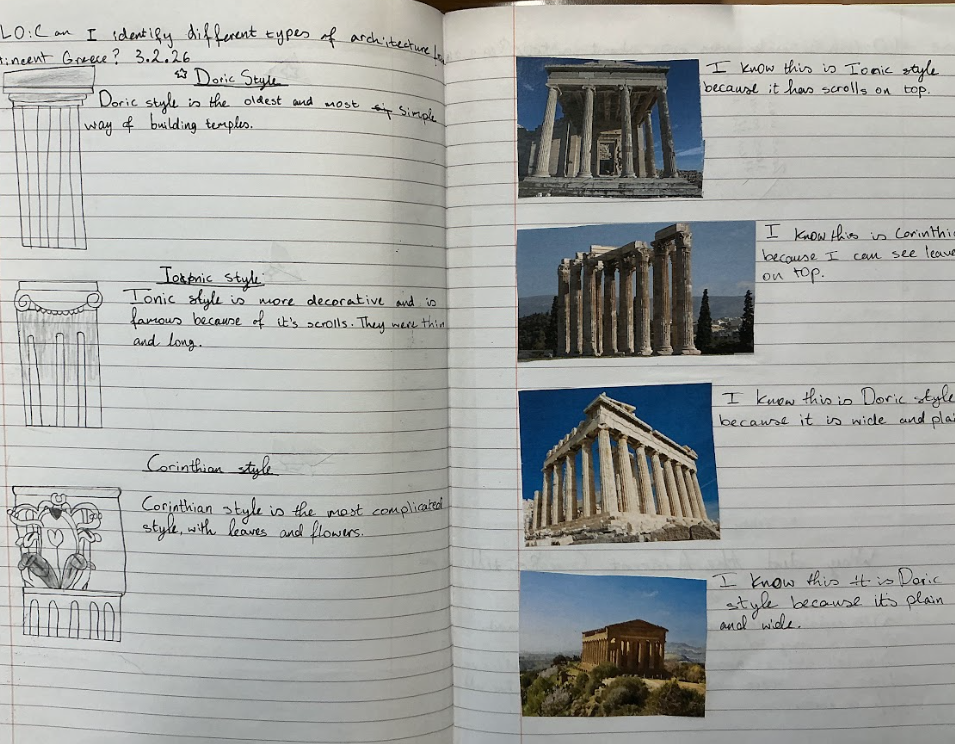
Year 4 have delved into the legacy of Ancient Greece, beginning by situating the civilization within a wider historical chronology. The children have deepened their understanding of complex concepts, such as philosophy, through dedicated research into the lives and ideas of great thinkers. They explored the contrasting cultures of Athens and Sparta and learned to identify the distinct styles of Greek architecture that still influence buildings today.
Old Royal Naval College - UKS2
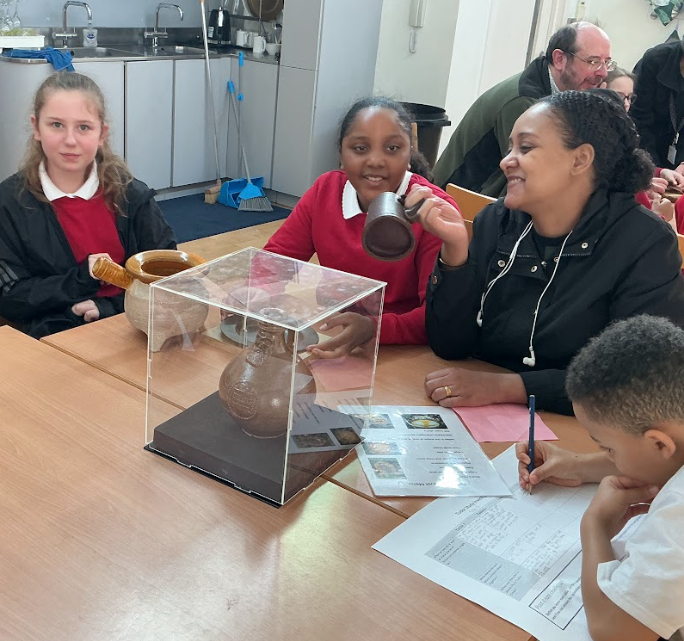
In History, Year 5 have been investigating the Tudors. Their learning was enriched by a visit to the Old Royal Naval College, where pupils honed their historical enquiry skills by identifying and categorising various 16th-century artefacts. They immersed themselves in the customs of the Tudor court, including the art of traditional dance, which they loved.